
Let's address the elephant in the room that most CPG executives are whispering about in boardrooms but not discussing publicly:
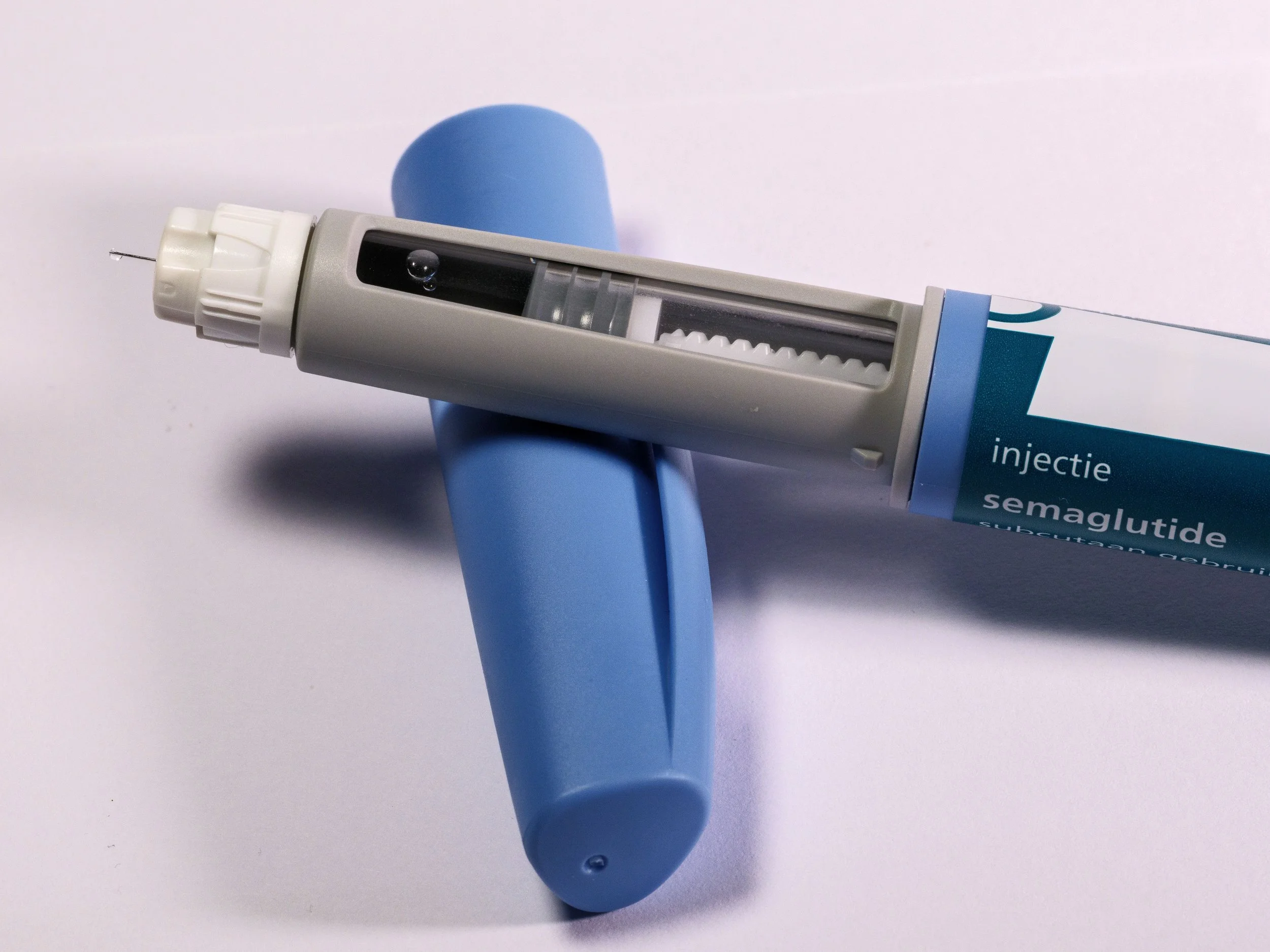
Millions of consumers are taking medications that fundamentally change how they eat, and your current packaging strategy was designed for a pre-Ozempic world.
In 2026, an estimated 15-20 million Americans are using GLP-1 receptor agonists (semaglutide/Ozempic, tirzepatide/Mounjaro, liraglutide/Wegovy). By 2030, projections suggest that number could reach 50 million or more, roughly 20% of US adults.
This isn't a niche health trend. This is a seismic shift in consumer behaviour that's already showing up in retail data:
Walmart's US CEO reported: Households using GLP-1s showed a "slight pullback in overall basket" size compared to general population
Nestlé launched: GLP-1-specific product lines (Vital Pursuit)
Conagra, General Mills, and Mondelez executives mentioned GLP-1 impact in earnings calls
Snack food volume: Declining in demographics most likely to use GLP-1s
High-protein product sales: Surging 23% year-over-year
Here's what most brands are missing: This isn't about people eating less. It's about people eating differently.
GLP-1 users aren't just reducing calories, they're completely reordering their food priorities:
Smaller portions but more frequent eating
Protein-first, calorie-efficient choices
Sensitivity to textures and flavours (nausea)
Zero tolerance for foods that don't deliver functional value
Willingness to pay premium prices for foods that work with their medication
Your packaging, from portion sizes to nutritional panels to benefit communication, was designed for a different consumer. One who prioritized taste and convenience over satiety and functionality.
That consumer still exists. But they're being joined by a rapidly growing segment with completely different needs.
Let's break down exactly how GLP-1 medications are changing consumer behaviour, what this means for packaging strategy, and how smart brands are already adapting.
What GLP-1 Drugs Actually Do (And Why It Matters for Your Packaging)
Before we talk packaging, we need to understand the mechanism because it explains why traditional portion sizes and product formulations are failing.
The Biology of GLP-1
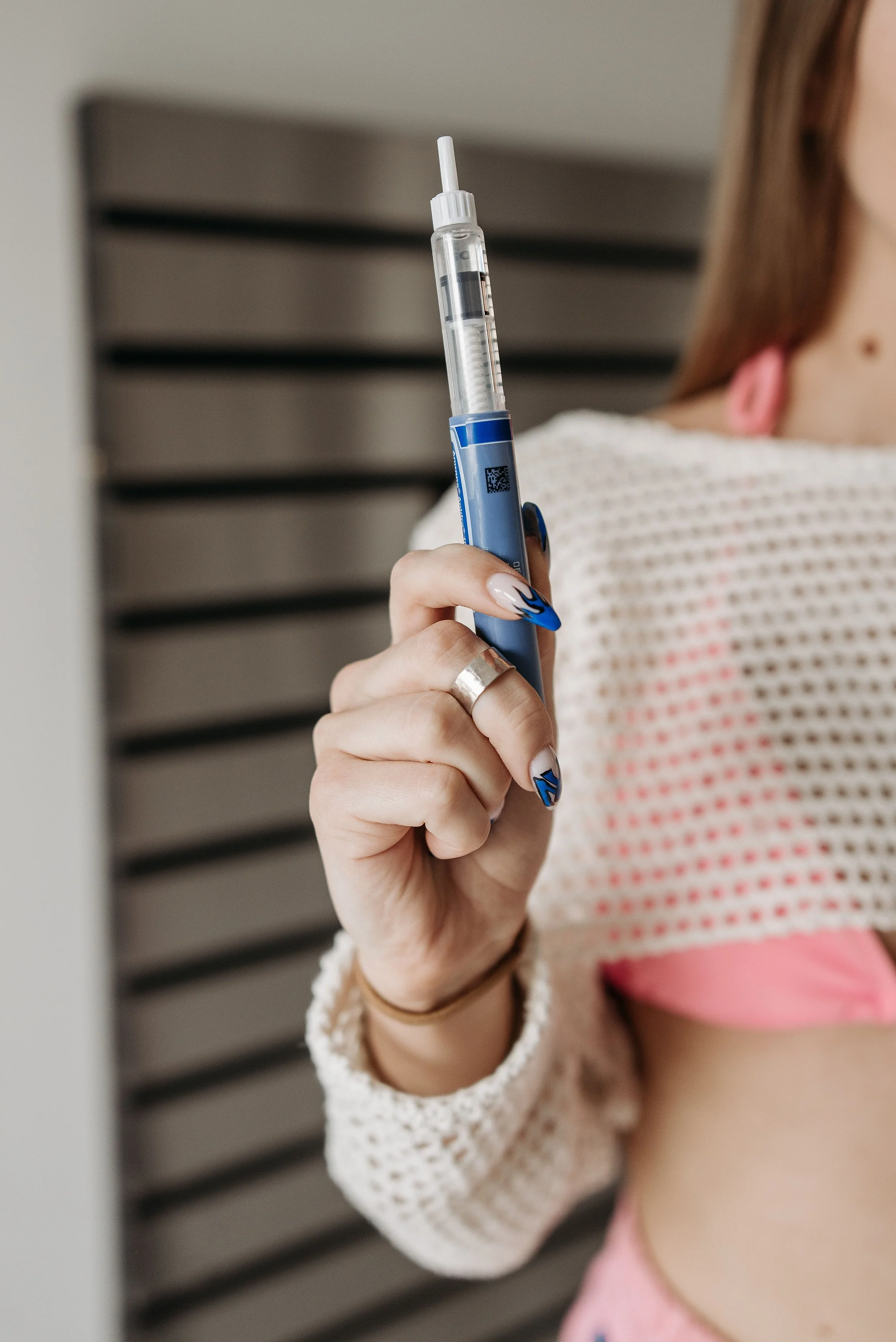
GLP-1 (Glucagon-Like Peptide-1) is a hormone your body naturally produces after eating. It:
Signals fullness to your brain
Slows gastric emptying (food stays in stomach longer)
Reduces appetite
Regulates blood sugar
GLP-1 medications (Ozempic, Wegovy, Mounjaro, Saxenda) mimic this hormone at much higher levels, creating:
Profound satiety - Feeling full on dramatically less food
Appetite suppression - Not thinking about food constantly
Nausea sensitivity - Especially to greasy, sweet, or rich foods
Altered taste perception - Some foods that used to appeal no longer do
How This Changes Eating Behaviour
Before GLP-1:
Consumer eats 2,000-2,500 calories/day
Snacks frequently
Finishes full portions
Tolerates low-nutrient "filler" foods
Makes food decisions based on taste + convenience
On GLP-1:
Consumer eats 1,200-1,600 calories/day (or less)
Eats less frequently (2-3 times vs. 4-6 times)
Often can't finish even small portions
Every calorie must deliver functional value (protein, vitamins, satiety)
Makes food decisions based on nutrient density + tolerability
The packaging implication: Your standard portion sizes are too large, your nutritional communication is focused on the wrong metrics, and your benefit statements are irrelevant.
The Four Categories of GLP-1 Impact on Food Packaging
Not every food category is affected equally. Here's how to assess your risk and opportunity:
Category 1: HIGH NEGATIVE IMPACT (Shrinking Market)
What: Indulgent snacks, sugary foods, large-portion convenience meals
Why impacted:
GLP-1 users experience nausea from high-fat, high-sugar foods
Can't finish large portions
Zero interest in "empty calories"
These foods don't align with medication goals
Examples:
Full-size candy bars
Large bag chips/snacks
Pints of ice cream
Oversized baked goods
Big convenience meals
Current packaging problem: Portion sizes designed for pre-GLP-1 consumption patterns
Adaptation strategy:
Smaller portion sizes (50-100 calorie packs)
Premium positioning (indulgence worth the smaller appetite)
Functional additions (protein-fortified versions)
Or accept declining sales in this segment
Category 2: HIGH POSITIVE IMPACT (Growing Market)
What: High-protein, nutrient-dense, satiety-focused foods
Why thriving:
GLP-1 users must prioritize protein (to preserve muscle mass on low calories)
Want foods that keep them full
Willing to pay premium for quality nutrition
These foods align with health goals
Examples:
Protein bars/shakes
Greek yogurt
Protein-enriched foods
Eggs and egg products
Lean proteins
Functional beverages
Current packaging opportunity: Add GLP-1-relevant messaging and portion optimization
Winning strategy:
Lead with protein content (front of pack)
Optimize portion sizes for calorie-restricted eating
Add satiety and muscle-preservation messaging
Premium pricing justified by functional value
Category 3: NEUTRAL TO POSITIVE (Adaptation Opportunity)
What: Cooking ingredients, sauces, seasonings, spices
Why opportunity:
GLP-1 users cooking more from scratch (read our ingredient economy blog post)
Want to control portions and ingredients
Need flavour without calories
Seeking variety to combat food boredom
Examples:
Hot sauces
Spice blends
Cooking sauces (used sparingly)
Flavour enhancers
Vinegars and acids
Current packaging opportunity: Position for portion control and flavour enhancement
Winning strategy:
Portion guidance for calorie-controlled meals
Flavour-first positioning (maximize taste with minimal volume)
Usage ideas for small portions
Value messaging (lasts longer when using less)
Category 4: MIXED IMPACT (Requires Segmentation)
What: Foods that can work for GLP-1 users with reformulation or repositioning
Why complex:
Core product might not align with GLP-1 needs
But adjacent formats or formulations could
Examples:
Pasta (regular declining, protein pasta growing)
Bread (regular declining, protein/low-carb growing)
Dairy (full-fat declining, high-protein growing)
Beverages (sugary declining, functional growing)
Current packaging challenge: May need separate product lines
Winning strategy:
Create GLP-1-optimized variants
Clear differentiation in packaging
Different portion sizes
Functional benefit focus for GLP-1 variant
The New Hierarchy of Nutritional Communication
Here's the critical insight: GLP-1 users look at nutrition panels completely differently.
Old Hierarchy (Pre-GLP-1 Consumer):
Calories - "Is this too much?"
Taste appeal - "Does this look good?"
Price - "Is this worth it?"
Convenience - "Is this easy?"
Protein (maybe, if health-focused)
Other nutrients (rarely considered)
New Hierarchy (GLP-1 Consumer):
Protein - "How much protein per calorie?"
Portion size - "Can I actually finish this without waste?"
Satiety value - "Will this keep me full?"
Tolerability - "Will this make me nauseous?"
Calories - "Is this worth my limited calorie budget?"
Fibre, vitamins, functional benefits
Taste (still matters but not primary)
This completely changes packaging design priorities.
The "Protein Per Calorie" Math
GLP-1 users are calculating (consciously or unconsciously): How much protein am I getting for the calories I'm spending?
Example comparison:
Product A: Traditional Granola Bar
200 calories
3g protein
Protein per 100 calories: 1.5g
Protein efficiency: Poor
Product B: Protein Bar
200 calories
20g protein
Protein per 100 calories: 10g
Protein efficiency: Excellent
For a consumer with only 1,200-1,400 calories per day to work with, Product B is 6.7x more valuable.
Your packaging must make this math obvious.
Front-of-Pack Redesign for GLP-1 Relevance
Old front-of-pack hierarchy:
Brand name (largest)
Product description
Appetite appeal photo
Price point
Maybe a benefit callout
New front-of-pack hierarchy for GLP-1-relevant products:
Protein content (HUGE, primary visual element)
"20g Protein"
"Complete Protein"
"Protein Packed"
Portion optimization (secondary but clear)
"Perfect Portion"
"150 Calories"
"Satisfying Snack Size"
Satiety signal (benefit callout)
"Keeps You Full for Hours"
"High Protein, Low Sugar"
"Supports Muscle Health"
Product name and brand (still important but not dominant)
Appetite appeal (photo or illustration showing appropriate portion)
Real-world example:
Fairlife Protein Shake (winning in GLP-1 era):
Front of pack: "30g PROTEIN" (dominates label)
"150 CALORIES" (clear and prominent)
"COMPLETE" (signals high-quality protein)
Product photo shows reasonable portion (11.5oz bottle)
Result: Sales surging among GLP-1 users
Compare to traditional protein shake that hides protein content and leads with flavor.
Portion Size Revolution: The 100-150 Calorie Sweet Spot
One of the most immediate packaging changes: portion sizes must shrink for GLP-1-relevant products.
The Problem with Standard Portions
Traditional snack sizes:
Full-size candy bar: 250-280 calories
Standard bag chips: 150-200 calories
Muffin/bakery item: 300-450 calories
Ice cream serving: 250-350 calories
Protein bar: 200-250 calories
GLP-1 user reality:
Can't finish a 250-calorie candy bar without nausea
Doesn't want to waste half
Feels frustrated by packaging that assumes larger appetite
The solution: 100-150 calorie single-serve formats
Case Studies in Portion Optimization
Example 1: Halo Top Ice Cream
Pre-GLP-1 innovation:
Lower-calorie ice cream (280-360 cal per pint)
Designed so you could "eat the whole pint" guilt-free
Messaging: "Eat all you want!"
GLP-1 era reality:
Nobody on GLP-1 wants a whole pint
Half-pint portions more appropriate
Or single-serve cups (150 cal)
Adaptation: Halo Top now offers mini cups (70 cal) and bars (70-100 cal) alongside pints
Result: Maintained relevance as GLP-1 adoption grew
Example 2: KIND Bars
Original format:
200-250 calorie bars
Positioned as meal replacement or substantial snack
GLP-1 adaptation:
KIND Minis: 100-calorie versions
Same great taste, appropriate portion
Messaging: "Perfectly portioned"
Result: Minis gaining share among health-conscious consumers
Example 3: Chobani Greek Yogurt
Standard cups:
5.3oz cups (140-170 calories)
Already protein-rich (good!)
GLP-1 opportunity:
Cups are actually well-sized already
But could emphasize "complete protein"
And create even smaller snack-size (3.5oz, 90 cal)
Smart move: Chobani's "complete protein" messaging aligns perfectly with GLP-1 needs
Format Innovation: The "Shareable" Repositioning
The problem: You have products in large formats that GLP-1 users can't finish
The solution: Reposition as "shareable" or "family-size" instead of single-serve
Example execution:
Before (single-serve assumption): Package: 12oz bag of chips Label: Standard nutrition panel showing "about 5 servings" Consumer experience: GLP-1 user eats 1 serving, bag goes stale
After (shareable positioning): Package: Same 12oz bag with resealable closure Label: "Family Share Size - Stays Fresh After Opening!" Serving suggestions: "Perfect for parties, snacking throughout the week, or sharing with friends" Consumer experience: GLP-1 user has reasonable expectation, uses over time
Key difference: You're not lying about portion size, you're repositioning the package from "individual" to "multiple occasions."
The Rise of Functional Benefit Claims
GLP-1 users don't just want fewer calories, they want calories that work for them.
This creates opportunity for functional benefit claims that go beyond basic nutrition:
Satiety and Fullness Claims
What works:
"Keeps You Full for 3+ Hours"
"High-Protein Satiety"
"Slow-Digesting Energy"
"Filling, Not Heavy"
Why it works: GLP-1 users are already experiencing satiety from medication, but they want foods that support (not fight) that satiety
Packaging execution:
Front-of-pack satiety claim
Protein + fiber callout
Comparison to less-satisfying alternatives
Example: Protein bar packaging showing "3-Hour Fullness" claim based on protein content
Muscle Preservation Claims
What works:
"Supports Lean Muscle"
"Complete Protein"
"20g Protein for Muscle Health"
"Amino Acid Rich"
Why it works: Major concern for GLP-1 users is losing muscle mass along with fat. High-protein foods address this directly.
Packaging execution:
"Muscle health" or "lean body" imagery
Emphasize complete/high-quality protein sources
Educational callout about protein needs during weight loss
Example: Greek yogurt packaging with "Complete Protein - Preserves Lean Muscle During Weight Loss"
Digestive Tolerance Claims
What works:
"Gentle on Stomach"
"No Sugar Alcohols" (these cause GI distress)
"Easily Digestible"
"Probiotic Support"
Why it works: GLP-1 users experience GI side effects (nausea, constipation). Foods that are gentle and supportive are valuable.
Packaging execution:
Digestive benefit callout
List what's NOT in the product (no sugar alcohols, no artificial sweeteners that cause issues)
Probiotic or fiber content if relevant
Example: Protein shake with "Gentle Formula - No Artificial Sweeteners"
Nutrient Density Claims
What works:
"Nutrient Dense"
"20+ Vitamins & Minerals"
"Multivitamin in a Bar"
"Complete Nutrition in Every Serving"
Why it works: When eating 1,200-1,400 calories vs. 2,000+, every calorie needs to deliver micronutrients too
Packaging execution:
Nutrient density visualization (% DV callouts)
"More nutrients per calorie" positioning
Comparison to vitamin supplement
Example: Meal replacement bar with vitamin/mineral chart showing "One bar = Daily intake of 10+ essential nutrients"
The "GLP-1 Friendly" Label Debate
Some brands are explicitly calling out "GLP-1 Friendly" or "GLP-1 Support" on packaging. Should you?
The Arguments FOR Explicit GLP-1 Labeling:
Pro #1: Immediate Target Market Identification
Users actively searching for "GLP-1 friendly foods"
Clear positioning in growing category
Removes guesswork for consumers
Pro #2: First-Mover Advantage
Category is new, leadership opportunity
Builds authority and trust
Media attention (controversial = coverage)
Pro #3: Premium Pricing Justification
GLP-1 medications cost $900-1,300/month
Users already spending heavily on health
Willing to pay more for products that support medication
Examples doing this:
Nestlé's Vital Pursuit line: Explicitly GLP-1-focused
Smaller brands: "GLP-1 Support" callouts on protein products
The Arguments AGAINST Explicit GLP-1 Labeling:
Con #1: Regulatory Risk
FDA hasn't blessed "GLP-1 friendly" as a claim
Could be seen as medical claim
Potential for regulatory pushback
Con #2: Limits Appeal
Non-GLP-1 users might avoid
Product pigeonholed into single use case
Market saturation risk if trend reverses
Con #3: Medical Association Concerns
Brands shouldn't make medical recommendations
Medications require individualized nutrition
Could be seen as exploitative
Con #4: Trend Risk
GLP-1 usage might plateau
Next-generation medications might change needs
You're locked into specific positioning
The Smart Middle Ground:
Don't say: "GLP-1 Friendly" or "For Ozempic Users"
Do say:
"High-Protein, Low-Sugar"
"Muscle-Preserving Nutrition"
"Perfect Portions for Calorie-Conscious Living"
"Satiety-Focused"
"Gentle Nutrition"
Result: GLP-1 users will recognize your product as relevant without explicit callout. You avoid regulatory risk and don't limit appeal to broader health-conscious market.
Packaging execution:
Lead with functional benefits GLP-1 users want
Use language that resonates ("satiety," "protein-rich," "small portions")
Avoid explicit medication references
Position for broader "mindful eating" or "calorie-conscious" market
Heritage and Ethnic Food Brands: Your GLP-1 Opportunity
Here's a surprising opportunity for heritage food brands: GLP-1 users are gravitating toward flavourful, protein-rich ethnic foods.
Why? Because they need:
Intense flavour (small portions, big taste)
Protein-rich preparations (grilled proteins, legumes, yogurt-based dishes)
Satisfaction from less volume (spices and aromatics deliver)
Variety to combat food boredom (eating same chicken breast daily gets old)
Examples of heritage foods well-suited for GLP-1 era:
Mediterranean:
Greek yogurt (already winning)
Grilled protein preparations
Legume-based dips (hummus, etc.)
Herb and spice flavour profiles
Middle Eastern:
Za'atar and spice blends (flavour without calories)
Tahini (healthy fats, protein)
Grilled kebab marinades
Lentil and chickpea preparations
Asian:
Miso (umami, probiotic, low-calorie)
Fermented foods (gut health support)
Protein-forward dishes (Korean BBQ, Thai grilled proteins)
Hot sauces (flavor without calories)
Latin American:
Beans and legumes (protein + fiber)
Salsa and pico (flavor, low calorie)
Spice blends for grilled proteins
Citrus-forward dishes (fresh, light)
African:
Spiced lentil and legume dishes
Grilled protein preparations (suya, peri-peri)
Aromatic spice blends
Fermented foods
Packaging Strategy for Heritage Brands in GLP-1 Era:
1. Lead with Protein (if applicable)
If your product or typical preparations are protein-rich, LEAD WITH THAT.
Example - Ethiopian Brand:
Product: Berbere spice blend
Old packaging: "Authentic Ethiopian Spice Blend"
New packaging: "High-Protein Ethiopian Meals Made Easy" + "Perfect for Grilled Chicken, Lentils, and Lean Proteins"
Why it works: Connects your authentic product to GLP-1 user needs
2. Portion Control Guidance
Show how your product works in small portions with big flavor impact.
Example - Hot Sauce Brand:
Serving size callout: "Just 1 tsp adds huge flavor"
Calorie information: "5 calories, maximum taste"
Usage: "A little goes a long way"
Why it works: Small portion = low calorie but high satisfaction
3. Meal Simplification
GLP-1 users often have decreased appetite for complex cooking but want variety.
Example - Curry Paste Brand:
"5-Minute High-Protein Curry"
Recipe: Curry paste + protein + vegetables = complete meal
Nutrition: "30g protein, 350 calories"
Why it works: Simplicity + protein + portion control = GLP-1 perfect
4. Flavor-Forward Positioning
When you can't eat much volume, every bite needs to be flavorful.
Example - Spice Blend Brand:
"Transform Bland Chicken into Restaurant-Quality Meals"
"Bold Flavor, Zero Guilt"
"Satisfy Your Taste Buds with Less Food"
Why it works: Addresses satisfaction from small portions
The Technical Packaging Considerations
Beyond messaging, GLP-1 impact requires technical packaging solutions:
Resealable Packaging (Essential)
Why critical: GLP-1 users can't finish portions that non-GLP-1 users would
Solutions:
Resealable pouches for multi-serving products
Portion-control caps
Individual servings in larger packs
Press-to-close/zip seals
Investment: Minimal cost increase (5-10%) for massive user experience improvement
Portion Marking
Why valuable: Users want to eat appropriate amounts, not guess
Solutions:
Measuring lines on containers
Portion control caps with measurements
Individual serving packets
"Suggested serving" visualization
Example: Protein powder with scoop that's exactly one serving (no math required)
Clear Calorie and Protein Display
Why essential: These are THE key decision factors
Solutions:
Enlarged nutrition panel key facts (calories + protein)
Front-of-pack protein callout (biggest text element)
Protein-to-calorie ratio shown
"Nutrition at a glance" panel
Design hierarchy:
Protein content (largest)
Calorie count (second largest)
Serving size (third)
Everything else smaller
Transparency in Ingredients
Why important: GLP-1 users are hyper-aware of what causes nausea
Solutions:
Clear ingredient lists (no hidden sugars, artificial sweeteners)
Callout what's NOT in product ("No sugar alcohols," "No artificial sweeteners")
Allergen clarity
Digestive benefit ingredients highlighted
Measuring Success: GLP-1 Impact KPIs
How do you know if your GLP-1 strategy is working?
KPI #1: Protein-Conscious Consumer Share
Metric: % of sales from consumers who regularly buy high-protein products
Track via: Loyalty program data, basket analysis
Target: Increasing share over time indicates GLP-1 and health-conscious appeal
KPI #2: Portion Size Mix
Metric: Sales split between standard and smaller-portion products
Track via: SKU-level sales data
Target: Growing share in smaller portions indicates format optimization success
KPI #3: Premium Price Acceptance
Metric: Ability to command premium pricing for protein-rich or portion-optimized versions
Track via: Price point analysis vs. competitors
Target: GLP-1-relevant products should command 10-30% premium vs. standard
KPI #4: Repeat Purchase Rate
Metric: How often do new buyers come back?
Track via: Customer purchase history
Target: GLP-1 users, once they find products that work, become highly loyal (70%+ repurchase)
The Risks and Realities
Let's be balanced: The GLP-1 trend carries risks brands need to understand.
Risk #1: Regulatory Scrutiny
The concern: FDA/CFIA may crack down on "GLP-1" claims as unsubstantiated medical claims
Mitigation: Focus on functional benefits (protein, satiety, portion size) not medication references
Risk #2: Market Plateau
The concern: GLP-1 adoption could plateau at 10-15% instead of projected 20%+
Mitigation: Position for broader "health-conscious" market, not GLP-1-only
Risk #3: Next-Generation Medications
The concern: New medications might change nutritional needs
Mitigation: Focus on timeless fundamentals (protein, portion control, nutrients)
Risk #4: Backlash and Exploitation Concerns
The concern: Brands seen as exploiting pharmaceutical users
Mitigation: Lead with genuine value, not opportunistic marketing
The Bottom Line: Adapt or Decline
The GLP-1 era is here. Whether it's 10% of consumers or 20% or eventually 30%, this is a permanent shift in how a significant portion of the population eats.
Brands that adapt their packaging (portion sizes, nutritional communication, functional positioning) will capture this high-value, loyalty-prone consumer segment.
Brands that ignore it will watch sales stagnate in categories where GLP-1 users were their core consumers.
The good news: This isn't about inventing new products. It's about repackaging what you already make to serve evolving consumer needs.
Smaller portions. Protein prominence. Functional benefits. Clear value.
Your packaging is your adaptation mechanism. Use it wisely.
Ready to Optimize Your Packaging for the GLP-1 Era?
At Eye Candy Design, we help established food brands navigate major consumer behaviour shifts through strategic packaging redesign. We understand how to:
Reposition existing products for new consumer needs
Optimize portion sizes without alienating current customers
Communicate functional benefits that drive purchase decisions
Balance trend-responsiveness with timeless brand strategy
Whether you're launching new protein-forward products or adapting existing lines for calorie-conscious consumers, we can help you capture the GLP-1 opportunity.
Book a free session to discuss how your products can thrive in the evolving health-conscious marketplace.
Keywords: GLP-1 packaging strategy, Ozempic food trends, weight loss medication CPG, functional food packaging, portion control packaging, high-protein packaging design, satiety-focused products, GLP-1 friendly foods, protein prominence packaging, calorie-conscious packaging, health-conscious CPG strategy, pharmaceutical food trends, muscle preservation nutrition, nutrient-dense packaging