
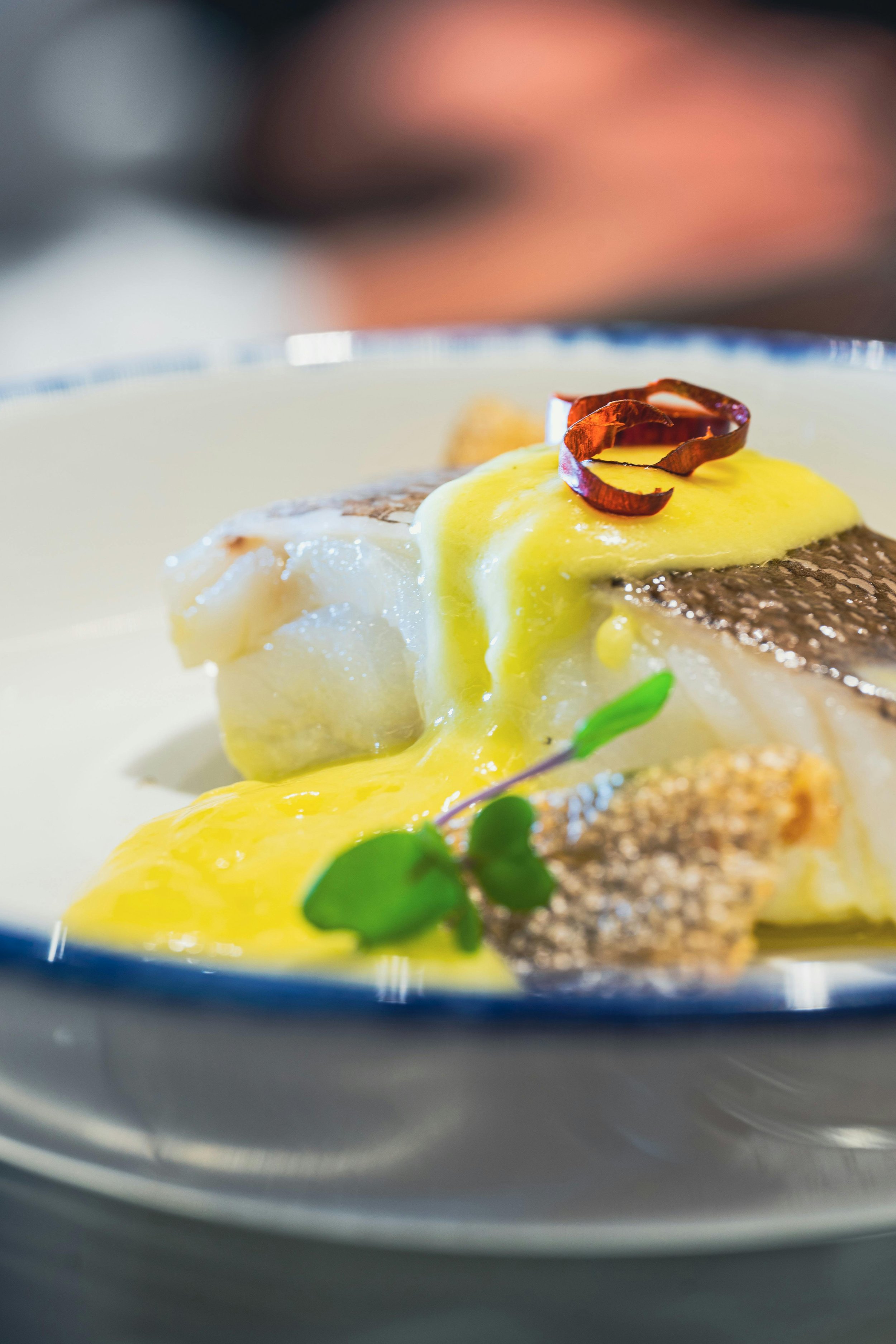
In 1977, an American fish wholesaler named Lee Lantz stood in a Chilean port staring at one of the ugliest fish he'd ever seen. Five feet long, ruddy skin, menacingly configured teeth, and a name that matched its appearance: Patagonian Toothfish.
Nobody wanted to buy it. Fishermen considered it worthless bycatch.
But Lantz tasted it—and recognized something special. The fish had mild, buttery, white flesh that could hold up to any cooking method. Perfect for the American market... if anyone could get past that name.
So Lantz renamed it.
By the early 1990s, "Chilean Sea Bass" was gracing tables at upscale restaurants worldwide at $50+ per plate. The FDA officially accepted it as an alternative market name in 1994. The same fish—literally the exact same species—went from worthless to one of the most coveted (and eventually overfished) seafood items in the world.
The only thing that changed was the name.
This isn't just a fish story, it's the perfect metaphor for what's happening in the CPG food and beverage industry right now. With 70-90% of new CPG products failing within their first year, and consumers making snap decisions in under 3 seconds on retail shelves, your brand name isn't just important, it's often the difference between breakthrough success and expensive failure.
Let's dive into why naming matters, what makes a name work (or fail), and how to ensure your brand name leads consumers exactly where you want them to go.
Why Your CPG Brand Name Does More Work Than You Think
Before we talk strategy, let's talk stakes. Your brand name is doing work every single second:
1. Your Name Creates First Impressions in Milliseconds
Research shows that consumers form impressions about products in 50-100 milliseconds, faster than conscious thought. Your brand name triggers associations, emotions, and judgments before someone even reads your tagline or even looks at your packaging.
A study published in the Journal of Consumer Psychology found that 31.7% of variance in consumer buying behaviour toward food products can be explained by the brand name's marketing and linguistic components alone.
Translation: Nearly one-third of whether someone buys your product is influenced by your name, before they taste it, try it, or even consciously think about it.
2. Your Name Sets Category Expectations
When someone sees "Honest Tea," they immediately know:
It's a tea product (obvious, but critical)
It has ethical/transparency positioning
It's likely premium-positioned
It's probably made with simple, real ingredients
When someone sees "RXBAR," they know:
It's a bar product
It has a health/fitness angle (the "RX" evokes "prescription")
It's straightforward, no-nonsense
Your name telegraphs what category you're in and how you're positioned within it, can be even more powerfully than your actual packaging design.
3. Your Name Influences Perceived Value
Study after study confirms: the right name commands premium pricing.
In blind taste tests, the same wine is rated higher when participants are told it's expensive or has a prestigious name. The same chocolate tastes better when it has a sophisticated name. The same protein bar is perceived as healthier when the name contains health cues.
Researchers call this "extrinsic cue influence"—and your brand name is the strongest extrinsic cue you have.
Real example: Premium craft beer brands with evocative names (like "Dogfish Head," "Stone Brewing," "Left Hand") command 30-50% price premiums over functionally similar beers with generic names.
4. Your Name Determines Shareability and Word-of-Mouth
In our social media-driven world, is your brand name:
Easy to pronounce? (People won't recommend what they can't say)
Easy to spell? (Can people find you online?)
Memorable? (Will they remember it tomorrow?)
Interesting enough to mention? (Does it spark conversation?)
The fluency effect in psychology shows that easy-to-pronounce brand names are perceived as more trustworthy, likeable, and safe than difficult-to-pronounce names.
A study in Psychology & Marketing found that stocks with easier-to-pronounce names outperformed those with complex names in the week following their IPO. If pronunciation affects stock performance, imagine what it does to repeat purchases.
5. Your Name Creates Shopping Behaviour Patterns
Here's what most food entrepreneurs don't realize: you're not just naming a product, you're training shopping habits.
If someone sees "Premier Protein Shake" in the refrigerated section near the deli counter, they categorize it as a meal replacement to buy occasionally when convenient.
If someone sees "Fairlife Ultra-Filtered Milk" in the dairy aisle next to regular milk, they categorize it as an everyday grocery staple and develop a routine purchasing pattern.
Same functional benefit (high-protein beverage), completely different shopping behaviour, largely dictated by category naming and placement strategy.
The Psychology of Names: What Makes Your Brain Say "Yes"
Let's get into the neuroscience and psychology that determines whether your brand name works or falls flat.
Phonetic Symbolism: Sound Affects Meaning
This might sound like woo-woo, but it's hard science: the sounds in your brand name create subconscious associations about your product.
The Bouba-Kiki Effect: Show people an angular, spiky shape and a rounded, soft shape, then ask which one is "Bouba" and which is "Kiki." About 95% of people assign the soft, rounded shape to "Bouba" and the angular, spiky shape to "Kiki"—across languages and cultures.
Why? Certain sounds feel soft, warm, and gentle ("oo," "ah," "l," "m") while others feel sharp, crisp, and energetic ("k," "t," "p," "i").
Applied to CPG:
Smooth & creamy products: Use flowing, soft sounds
Häagen-Dazs (even though it's not a real word, those double-a's create smoothness)
Nutella (soft "oo" sound, flowing "ella" ending)
Chobani (soft "o" and "ah" sounds)
Crispy & crunchy products: Use sharp, percussive sounds
KitKat (crisp "K" sounds mimic the snap)
Pringles (the "pr" and hard "g" suggest crunch)
Doritos (staccato, sharp "d" and "t" sounds)
Bold & intense products: Use strong consonants
Red Bull (powerful, aggressive sounds)
Monster (bold, strong "m" and "st" sounds)
Tabasco (sharp "t" and "c" sounds suggest heat)
Semantic Associations: Meaning Matters
Beyond sound, the meaning embedded in your name shapes perception.
Explicit Meaning:
KIND Snacks → Kindness, gentleness, wholesome
Honest Tea → Transparency, integrity, real ingredients
Simply Orange → Uncomplicated, natural, straightforward
Impossible Foods → Challenging the impossible, ambitious innovation
Implicit Meaning:
Clif Bar → Suggests adventure, outdoors, challenge (climbing a cliff)
Quest Nutrition → Suggests journey, achievement, searching for better
Halo Top → Suggests virtue, guilt-free indulgence (halo = angel, good)
Beyond Meat → Suggests transcendence, evolution, more than traditional
The Fluency Effect: Easy Wins
Cognitive fluency is the ease with which our brains process information. Things that are easier to process are perceived as more trustworthy, more likeable, and more valuable.
For brand names, fluency means:
Easy to pronounce: ✓ KIND Bars (two syllables, common sounds) ✓ Oatly (flows naturally) ✓ Skinny Pop (familiar word combination) ✗ Siggi's (people debate: "SIG-ee's"? "SEE-gee's"?) - still successful but pronunciation is a barrier ✗ Açaí (most Americans can't pronounce it correctly)
Easy to spell: ✓ Sweet Leaf Tea ✓ Blue Diamond Almonds ✗ Krümkakebakery (intentionally complex for artisanal positioning, but limits growth)
Easy to remember: ✓ Liquid Death (memorable through shock value) ✓ Olipop (distinctive, fun, rhythmic) ✓ Magic Spoon (whimsical, evocative) ✗ [Generic name + generic descriptor] like "Fresh Valley Organic Granola"
However: You can intentionally break fluency rules if you have a strategic reason. Häagen-Dazs is deliberately complex to suggest European sophistication. The trade-off is calculated.
Emotional Resonance: Names That Make You Feel
The most powerful brand names create an emotional response, not just cognitive recognition.
Nostalgia & Comfort:
Grandma's Cookies (evokes comfort, tradition, homemade)
Farmer's Market Foods (warmth, authenticity, community)
Kodiak Cakes (rugged, frontier, wholesome)
Adventure & Aspiration:
Liquid Death (rebellious, rule-breaking)
Death Wish Coffee (extreme, daring)
Quest Nutrition (goal-oriented, achievement-focused)
Playfulness & Joy:
Hippeas (fun, lighthearted, clever play on "hippie" + "peas")
Skinny Dipped Almonds (cheeky, indulgent without guilt)
Banza (fun to say, energetic)
Authenticity & Trust:
Alter Eco (transparent, environmentally conscious)
Vital Farms (suggests life-giving, farm-fresh)
Farm to People (direct, honest, community-focused)
The Strategic Naming Framework: Your Step-by-Step Process
Now that you understand the psychology, let's get tactical. Here's how to approach naming strategically:
Step 1: Define What Your Name Needs to Accomplish
Before brainstorming, get crystal clear on your name's job:
Answer these questions:
What category are we in? (Or are we creating a new category?)
What's our core benefit or differentiation?
Who's our target consumer, and what do they value?
What's our price positioning? (Premium? Value? Mid-tier?)
Where will we be sold? (Mass market? Natural retailers? DTC only?)
What emotional territory do we want to own?
What's our growth ambition? (Local artisanal? National brand? Global?)
Example: Impossible Foods
Category: Plant-based meat alternatives
Core benefit: Plant-based meat that's indistinguishable from animal meat
Target: Meat-eaters wanting to reduce meat consumption
Positioning: Premium, innovative
Distribution: Initially foodservice, then retail (natural → mainstream)
Emotional territory: Revolutionary, ambitious, rule-breaking
Growth ambition: Global brand, change the food system
Result: The name "Impossible" perfectly captures their mission (making the impossible possible), differentiates from "plant-based" competitors, and suggests ambitious innovation.
Step 2: Choose Your Naming Strategy Type
There are seven main naming approaches in CPG. Each has strengths and weaknesses:
Type 1: Descriptive Names
What it is: Names that clearly describe what the product is/does
Examples:
Premier Protein
Organic Valley
Whole Foods Market
Pros:
Instantly clear what you are
SEO-friendly
Low consumer education barrier
Cons:
Hard to trademark
Easily copied
Limited brand personality
Difficult to expand beyond core category
Best for: Functional products where clarity > personality (supplements, basic groceries)
Type 2: Evocative Names
What it is: Names that suggest benefits or experiences without directly describing them
Examples:
Clif Bar (suggests adventure, outdoor climbing)
Halo Top (suggests virtue, guilt-free)
Liquid Death (evokes intensity, edge)
Pros:
Emotionally engaging
Trademarkable
Works across products
Creates brand personality
Cons:
Requires consumer education
Must be explained initially
Risk of misinterpretation
Best for: Products where emotional connection matters, brands with marketing budgets for education
Type 3: Invented/Made-Up Names
What it is: Completely made-up words with no prior meaning
Examples:
Häagen-Dazs (sounds Scandinavian but is meaningless)
Chobani (derived from Turkish but unknown in US)
Zevia (made-up, suggests "zero" + "stevia")
Pros:
Highly trademarkable
Own the meaning entirely
Domain names available
Can work globally
Cons:
Requires significant education and marketing investment
Risk of pronunciation issues
No inherent meaning to leverage
Best for: Brands with capital to build awareness, categories where uniqueness matters
Type 4: Founder/Personal Names
What it is: Named after founder or person
Examples:
Ben & Jerry's
Newman's Own
Amy's Kitchen
Pros:
Personal story and authenticity
Trust through human connection
Good for niche/artisanal positioning
Cons:
Limits sale/exit options
Hard to expand beyond founder's story
Pronunciation issues if unusual name
Best for: Authentic, story-driven brands, artisanal/craft products
Type 5: Metaphor/Analogical Names
What it is: Uses metaphors to suggest benefits
Examples:
Liquid Death (mountain water as intense as death metal)
Red Bull (suggests energy, power, charging forward)
Kodiak Cakes (rugged, frontier strength)
Pros:
Memorable and distinctive
Creates strong associations
Good for premium positioning
Cons:
Must be relevant metaphor
Can feel forced
Risk of being too clever
Best for: Distinctive positioning, products with strong personality
Type 6: Compound/Mashup Names
What it is: Combines two words into one
Examples:
Sweetgreen
Barefoot Wine
Perfect Bar
Pros:
Clear but interesting
Often available domains
Suggests multiple benefits
Cons:
Can feel generic
Trademark challenges
Easy to copy format
Best for: Fast consumer comprehension needed, natural/better-for-you positioning
Type 7: Acronym/Initials
What it is: Uses letters/initials
Examples:
RXBAR (prescription bar)
GFB (Gluten-Free Bites)
C4 (Cellucor's pre-workout)
Pros:
Modern, efficient
Can stand for multiple things
Works across categories
Cons:
Requires significant marketing to establish meaning
Hard to own/trademark short acronyms
Can feel corporate/cold
Best for: Functional products in fitness/health space, brands targeting young/modern consumers
Step 3: Generate Name Options (The Brainstorming Phase)
Now it's time to create options. Here's how:
Brainstorming Rules:
Quantity over quality initially - Generate 100+ options
No judgment during generation - Separate ideation from evaluation
Use multiple methods - Word association, metaphors, sounds, invented words
Include your team + outsiders - Fresh perspectives matter
Sleep on it - Let your subconscious work
Brainstorming Prompts:
What words describe your core benefit?
What words describe how you want consumers to feel?
What metaphors relate to your product?
What words from other languages are relevant?
What sounds match your product texture/experience?
What's the opposite of your category's norms?
What would make someone do a double-take?
What makes insiders laugh or smile?
What nostalgic references resonate?
Example: Brainstorming for a High-Protein, Plant-Based Snack Bar
Core benefit words: Protein, plants, energy, fuel, power, strong Feeling words: Alive, vital, energized, strong, capable Metaphors: Engine, forge, amplify, bloom, root Texture sounds: "K," "p," "ch" (crisp, crunchy) Category opposites: Usually sweet → Go savory-sounding? Double-take: What if we claim the meat category? "Herbivore," "Plant Power" Insider language: "Gains," "Rep," "Lift"
Generated names:
Vital Forge
Root Power
Plant Rep
Amplify Bars
Bloom Fuel
Herbivore Strength
Pulsewave
Ember Bars
Kindling Snacks
Forge Fuel
Step 4: Evaluate and Narrow (The Critical Filter)
You've got 100+ names. Now you need to narrow to 5-10 finalists. Run each name through this filter:
The Name Evaluation Scorecard (Rate 1-10 for each):
Relevance: Does it feel appropriate for the category?
Differentiation: Is it distinctive from competitors?
Memorability: Will people remember it after one exposure?
Pronunciation: Can anyone pronounce it correctly?
Spelling: Can people spell it after hearing it?
Meaning: Does it convey the right message/feeling?
Scalability: Can it grow with the brand?
Trademarkability: Is it likely available for trademark?
Domain availability: Is the .com available or obtainable?
Emotional resonance: Does it create the right feeling?
Cultural sensitivity: No negative meanings in other languages/cultures?
Future-proofing: Will it still work in 10 years?
Total Score: ___/120
Names scoring under 80 should be eliminated. Names scoring 100+ are worth testing.
Step 5: Test With Real Consumers (Before You Commit)
Do NOT skip this step. What makes sense to you (the founder, who lives and breathes your product) may totally miss with your target consumer.
How to Test:
Test 1: First Impressions (Online Survey)
Show name only (no logo, no context beyond category)
Ask: "What do you think this product is?"
Ask: "What words come to mind?"
Ask: "How would you pronounce this?"
Ask: "Would you be interested in trying this? Why/why not?"
Test 5-10 names with 50-100 people each
Test 2: Comparative Preference (In-Person or Online)
Show top 3-5 names
Ask: "Which would you be most likely to buy?"
Ask: "Rank these from most appealing to least appealing"
Ask: "What makes your top choice stand out?"
Test 3: Contextual Testing (With Packaging Mockups)
Create basic mockups with your name on packaging
Show in context (on shelf with competitors, in online search, etc.)
Measure: recognition, recall, purchase intent
What to Look For:
Do people "get it" without explanation?
Are pronunciations consistent?
Does it create the emotional response you want?
Does it stand out positively from competitors?
Any negative associations you didn't anticipate?
Red Flags:
Inconsistent pronunciation (everyone says it differently)
Confusion about what category it's in
Negative associations or reactions
Can't spell it back
Doesn't remember it 5 minutes later
Common CPG Naming Mistakes (And How to Avoid Them)
Let's talk about where brands go wrong, and how not to join them.
Mistake #1: Being Too Clever
The trap: Creating a name that's an inside joke or requires extensive explanation to understand.
Example: A protein powder called "Myosin Max" (myosin is a muscle protein). Clever for biochemists, meaningless for 99% of consumers.
The fix: If your dad, your neighbour, and your retail buyer don't immediately get it, it's too clever. Save cleverness for your tagline.
Mistake #2: The Descriptive Generic Name
The trap: "Fresh Valley Organic Granola" or "Pure Mountain Spring Water" or "Healthy Choice Protein Bars"
Why it fails: Impossible to trademark, no personality, instantly forgettable, looks like private label.
The fix: Add distinctiveness. Instead of "Organic Valley," they went with... well, actually that's their name, but it works because they owned it early. Modern brands need more edge.
Better examples:
Not "Healthy Protein Cookies" → Lenny & Larry's Complete Cookie
Not "Organic Energy Drink" → Celsius
Not "Natural Candy" → SmartSweets
Mistake #3: The Spell-It-Five-Ways Problem
The trap: Kreative spellyngs that make you stand owt!
Why it fails:
People can't find you online
Can't spell it to friends
Looks gimmicky
Dates quickly
Examples to avoid:
Replacing "C" with "K" everywhere (Krispy, Krunchy, Koolers)
Random capital letters (BluEarth, FitFuel)
Unnecessary apostrophes (Chip's, Bar's)
Exception: Acceptable if it's your founder's actual name or has cultural relevance (Siggi's, Ben & Jerry's).
Mistake #4: The URL Nightmare
The trap: Perfect name, but the .com is owned by a squatter asking $50,000 or an established business.
The fix: Check domain availability BEFORE falling in love with a name. Use:
GoDaddy.com
Namecheap.com
Instant Domain Search
Options if .com isn't available:
Slight variation (add "HQ," "Co," "Foods," "Drinks")
Different TLD (.co, .io, .foods, .shop) - less ideal but workable
Buy it from current owner (negotiate, might be worth it)
Choose a different name (usually best option)
Mistake #5: Not Checking Trademarks
The trap: Falling in love with a name, designing packaging, printing labels, launching, then getting a cease & desist letter.
The fix:
Search USPTO.gov (United States) and CIPO (Canada) trademark databases
Google extensively
Check social media handles
Hire an IP attorney to do a comprehensive search (costs $500-1,500, worth every penny)
What to look for:
Exact matches in your category (dead stop)
Similar names in related categories (potential conflict)
Common words (might be hard to trademark)
Mistake #6: Not Thinking Global
The trap: Name works great in English, means something horrific in Spanish/Mandarin/etc.
Famous examples:
Chevrolet Nova allegedly struggling in Spanish markets ("no va" = doesn't go)
Anything that sounds like curse words in other languages
The fix:
Research major markets even if not expanding there yet
Work with native speakers
Google translate isn't enough, get cultural consultants
Check if name has existing meanings in target markets
Mistake #7: The Expansion Limiter
The trap: Name works perfectly for your first product but prevents you from launching anything else.
Example: "Chicken Charlie's" is great for a chicken restaurant, terrible when you want to add beef or go vegetarian.
The fix: Unless you're 100% committed to one product forever, choose a name that allows for growth.
Good expansion examples:
Kind (started with fruit & nut bars, now has multiple product lines)
Liquid Death (started with water, expanded to flavored water, tea)
RXBAR (started with protein bars, now has nut butter, cereals, etc.)
The Rebrand Question: When to Change an Existing Name
Sometimes you're not starting fresh, you're wondering if your existing name is holding you back.
Signs You Need a Rebrand:
Consistent pronunciation issues - If retailers, consumers, and press all say it differently
Can't grow beyond your category - Name is too specific
Negative associations - Consumer research shows problematic perceptions
Merger/acquisition - Company structure changed
Legal issues - Trademark conflicts requiring change
Market expansion - Current name doesn't work in new markets
Strategic pivot - Brand positioning fundamentally changed
The Cost of Rebranding:
Don't underestimate this. Rebranding is expensive:
New packaging design and printing: $15,000-$50,000+
Destroying old inventory or selling at discount: Variable
Marketing to communicate change: $20,000-$100,000+
Website, social media, all materials: $10,000-$30,000
Potential sales dip during transition: 10-30% for 3-6 months
Trademark, legal work: $5,000-$15,000
Total: Easily $60,000-$250,000 for a small brand; millions for a national brand.
Rebrand Alternatives:
Before a full rebrand, consider:
Nickname evolution: Gradually shift to a shortened version (Kentucky Fried Chicken → KFC)
Tagline shift: Keep name, change positioning through messaging
Visual rebrand only: Keep name, refresh everything else
Subtle name tweak: Small modification rather than complete change
When to Hire Professional Naming Help
Naming is one area where professional help often pays for itself many times over. Consider hiring experts when:
You should hire a branding studio/agency when:
You have budget
You're launching a major brand with retail ambitions
Previous DIY attempts haven't yielded strong options
Trademark issues are complex
You're in a crowded category where differentiation is critical
You need international expansion and cultural sensitivity
You want comprehensive trademark searches and legal protection
You can probably DIY when:
You're starting small/local with plans to grow slowly
You have strong creative people on your team
You have time to iterate and test thoroughly
Budget is limited
You have a clear, distinctive point of view
Your product/story is the main differentiator (name is supporting role)
DIY with professional assist (best of both worlds):
Brainstorm internally to generate 50-100 options
Hire a naming consultant for 3-5 hours to evaluate and refine
Test your top candidates
Hire IP attorney for trademark search on finalists only
Cost: $2,500-$5,000 total
Real CPG Name Success Stories (What We Can Learn)
Let's look at brands that nailed it and what made their names work:
Success Story #1: Liquid Death
Category: Canned water Name origin: Founder wanted to make water as cool as energy drinks/beer Why it works:
Completely unexpected for water
Memorable through shock value
Perfect for punk rock/heavy metal aesthetic
Appeals to target demographic (young men who don't buy typical water)
Great story and conversation starter
Results: Valued at $1.4 billion in 2024, available in major retailers nationwide
Lesson: Sometimes breaking ALL the category rules is the right move, if you commit fully to the positioning.
Success Story #2: Impossible Foods
Category: Plant-based meat Name origin: Making the impossible possible “meat from plants” Why it works:
Ambitious and aspirational
Clearly communicates innovation
Differentiates from "plant-based" competitors
Room for expansion (multiple "impossible" products)
Emotionally resonant (doing the impossible)
Results: Valued at $7 billion, available nationwide, major fast-food partnerships
Lesson: Your name can communicate your mission while leaving room for growth.
Success Story #3: Hippeas
Category: Chickpea puffs Name origin: Hippie + Chickpeas = Hippeas Why it works:
Clever but immediately understandable
Fun, playful, approachable
Suggests healthy/natural without being preachy
Great for social sharing
Memorable and unique
Results: Sold to Strauss Group, available in thousands of retailers
Lesson: Wordplay works when it's clever AND clear.
Success Story #4: Chobani
Category: Greek yogurt Name origin: Turkish word, loosely related to shepherd/yogurt Why it works:
Exotic and premium-sounding
Short and memorable
Easy to pronounce despite being unfamiliar
Suggests authenticity and heritage
Available for trademark
Results: Became #1 Greek yogurt brand in US, $1.5B+ in revenue
Lesson: Made-up (to American consumers) names work when they feel premium and authentic.
Your Action Plan: Naming Your CPG Brand
Ready to name (or rename) your brand? Here's your step-by-step process:
Phase 1: Strategy (Week 1)
Complete naming brief (category, benefit, consumer, positioning)
Audit competitor names in your space
Define your naming strategy type
Create initial criteria/scorecard
Phase 2: Generation (Week 2)
Brainstorm 100+ name options using multiple methods
Involve team + outside perspectives
Capture all ideas without judgment
Sleep on list, add more options
Phase 3: Evaluation (Week 3)
Score all names against criteria
Eliminate obvious no's (under 80/120)
Check domain availability for finalists
Preliminary trademark search (USPTO.gov)
Narrow to top 10-15 names
Phase 4: Testing (Week 4)
Create online survey with top 10 names
Test with 50-100 people per name
Conduct in-person interviews with top 3-5 names
Analyze results and narrow to top 3
Phase 5: Validation (Week 5)
Comprehensive trademark search (hire attorney)
Domain acquisition for finalists
Create basic mockups with finalists
Test in context (on shelf, online, etc.)
Check for cultural/language issues if expanding globally
Phase 6: Decision & Protection (Week 6)
Select final name
Purchase domain (and relevant social handles)
File trademark application
Brief design team on name rationale
Create brand guidelines around name usage
Total timeline: 6 weeks for thorough process; can be compressed to 3-4 weeks if needed.
The Bottom Line: Your Name Is an Investment, Not an Afterthought
With 70-90% of new CPG products failing in their first year, and consumers making decisions in under 3 seconds, you literally cannot afford to get your brand name wrong.
The right name:
Communicates instantly
Differentiates powerfully
Creates emotional connection
Supports premium pricing
Enables word-of-mouth
Scales with growth
The wrong name:
Confuses consumers
Gets lost in the shuffle
Limits perceived value
Hinders discoverability
Restricts future expansion
Remember: Nobody wanted to eat "Patagonian Toothfish." But "Chilean Sea Bass"? That'll be $50, please.
Your product might be incredible. Your recipe might be revolutionary. Your founder story might be compelling.
But if your name doesn't lead consumers where you want them to go, none of that matters. They'll never get close enough to discover how great you are.
Choose your name strategically. Test it thoroughly. Protect it legally. Then build everything else around it.
Because in the end, your brand name isn't just what people call you, it's the first promise you make, the first impression you leave, and often the deciding factor between someone choosing you or walking right past.
Make it count.
Ready to Name (or Rename) Your CPG Brand?
At Eye Candy Design, brand naming isn't just about creativity, it's about strategy. We've helped food and beverage brands develop names that:
Communicate their unique positioning clearly
Stand out on crowded retail shelves
Support premium pricing
Scale with growth
Our naming process includes:
Competitive landscape analysis
Strategic naming direction
Name generation and evaluation
Consumer testing recommendations
Integration with overall brand identity and packaging design
Keywords: CPG brand naming, food brand naming strategy, beverage brand naming, product naming guide, brand naming psychology, food product naming, CPG naming strategy, brand name development, brand positioning, consumer psychology naming, food brand strategy, CPG marketing, brand development